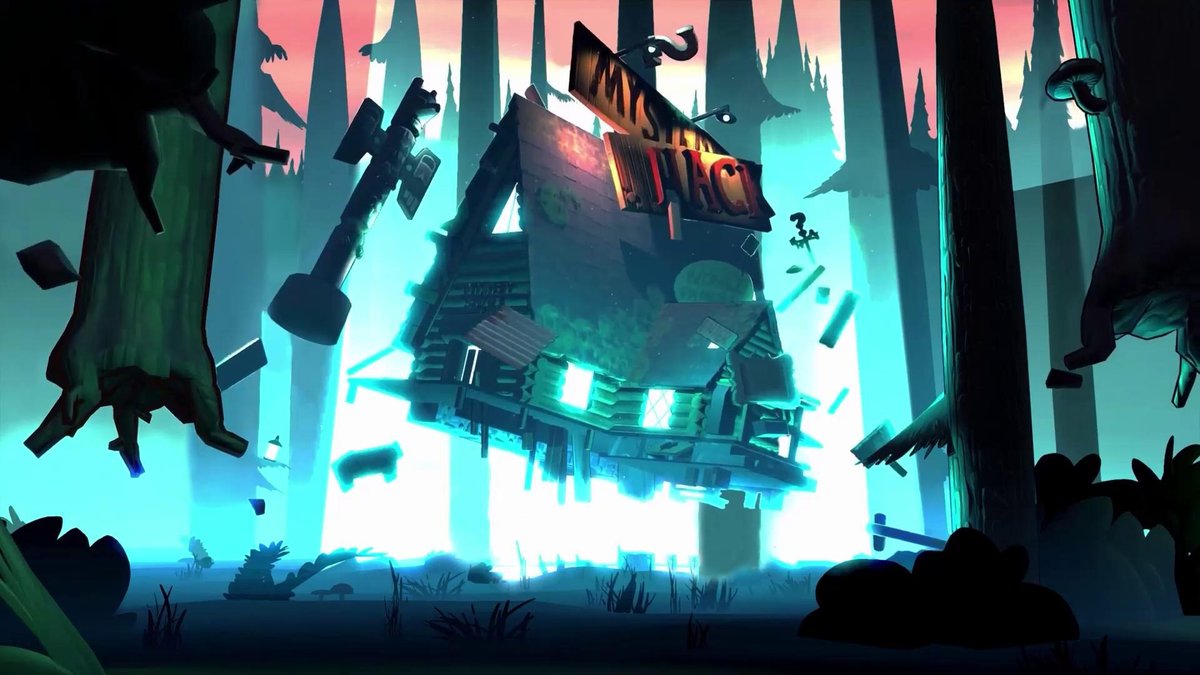
In a landscape often populated by saccharine morals and neatly tied-up narratives, one animated series arrived in 2012, brandishing cryptograms, interdimensional demons, and a surprisingly profound meditation on growing up. Gravity Falls, on its surface, seemed like another quirky Disney Channel cartoon about twins spending a summer with their eccentric great-uncle. Yet, beneath its vibrant animation and clever humor, it brewed a potent concoction that would leave an indelible mark on its audience and the animation industry alike. The cultural impact and legacy of Gravity Falls wasn't just about entertainment; it reshaped expectations for children's television, cultivated an unprecedented level of fan engagement, and provided a resonant coming-of-age story that continues to speak to a generation.
This wasn't just a show; it was an experience, a puzzle, and for many, a mirror reflecting the confusing, beautiful, and sometimes terrifying journey of adolescence.
At a Glance: Gravity Falls' Enduring Influence
- Broke Boundaries: Pushed the limits of children's television with mature themes, horror elements, subtle LGBTQ+ representation, and complex narratives.
- Pioneered Interactive Storytelling: Engaged fans through hidden codes, ciphers, and even a real-world treasure hunt, fostering a deeply invested community.
- Championed Character Development: Focused intensely on the growth of its main characters, exploring the "uglier parts of getting older" and the end of childhood.
- Influenced a Generation: Resonated deeply with Gen Z, providing relevant messages about self-discovery and navigating the transition into adulthood.
- Elevated Animation: Demonstrated the power of creator-driven, serialized storytelling in a medium often underestimated.
Beyond the Mystery Shack: Redefining "Kids' TV" with Guts and Ghouls
When Gravity Falls first aired, it was instantly clear it wasn't playing by the typical Disney Channel rulebook. Showrunner Alex Hirsch, whose vision was deeply ingrained in every frame, dared to infuse a children's series with elements more commonly found in mature thrillers. We're talking horrifying shapeshifters, sadistic interdimensional demons, government conspiracies, and even the looming threat of the apocalypse. This wasn't just "spooky light," it was genuinely weird and unsettling at times, pushing the boundaries of Disney's typically strict censorship.
The series embraced its "mystery thriller" identity with gusto. It didn't shy away from complex, serialized plots that demanded viewer attention, a departure from the often episodic nature of its contemporaries. This commitment to an overarching narrative, filled with plot twists and cliffhangers, treated its audience with respect, acknowledging their intelligence and capacity for sustained engagement. It tapped into a core desire for deeper, more meaningful stories, demonstrating that young audiences could handle — and indeed craved — content that was both entertaining and thought-provoking.
This fearless approach to mature themes extended beyond the supernatural. Gravity Falls woven in adult jokes and subtle hints of LGBTQ+ representation that often flew over younger viewers' heads but resonated with older audiences or became clearer upon rewatch. This multi-layered storytelling ensured the show appealed to a wide demographic, from elementary school kids captivated by the monsters to teens and young adults grappling with the show's deeper messages. It fostered a unique viewing experience where families could watch together, each member finding something new to appreciate based on their own understanding. The show effectively proved that "children's television" didn't have to mean simplistic or sanitized.
The Codebreakers' Generation: A Legacy of Interactive Storytelling
Perhaps one of the most significant aspects of Gravity Falls' cultural impact was its groundbreaking approach to fan engagement. Alex Hirsch and his team didn't just tell a story; they invited viewers to solve it. From the very first episode, hidden messages, ciphers, and cryptic clues were sprinkled throughout, challenging fans to pause, decode, and speculate. Each episode concluded with an encoded message, often hinting at future plot points or revealing character secrets, turning passive viewing into an active, communal puzzle-solving experience.
This constant stream of "Easter eggs" and hidden lore created an intensely dedicated fanbase, particularly among "mystery-obsessed members of Gen Z," as noted by the Michigan Daily. Online forums, wikis, and social media platforms buzzed with theories, decoded messages, and collaborative efforts to piece together the grand narrative. Fans felt like detectives, personally invested in unraveling the secrets of Gravity Falls. This wasn't just about watching the show; it was about participating in its creation, in a sense.
The pinnacle of this interactive storytelling came after the series concluded. Hirsch orchestrated a real-world, global treasure hunt, sending fans on an elaborate quest to unearth clues hidden in physical locations around the world. This audacious endeavor, designed to thank fans and provide a tangible, final piece of the Gravity Falls puzzle, proved that the show "was never a kids' show" in the conventional sense. It was a phenomenon that transcended the screen, demonstrating an unparalleled commitment to its audience and setting a new bar for how creators could engage with their communities. This level of meta-narrative and real-world interaction solidified Gravity Falls' place not just in animation history, but in the broader history of transmedia storytelling.
Growing Up in Gravity Falls: Narratives of Self-Discovery and Transition
While the mysteries and monsters were the hooks, the true heart of Gravity Falls lay in its profound exploration of character development and the often-messy journey of growing up. Dipper and Mabel Pines, fraternal twins on the cusp of adolescence, anchored the series, and their individual growth, as well as their evolving sibling bond, formed the emotional core. The show meticulously charted their journey towards their 13th birthday, delving into the "uglier parts of getting older" that many children's shows shy away from.
For Dipper, it was about finding his confidence, moving past insecurity, and learning to trust himself. For Mabel, it was about navigating the complexities of friendship, understanding that not every summer romance lasts, and learning to let go of childish ideals for the sake of maturity. These weren't simplistic arcs; they were nuanced, sometimes painful, and deeply relatable. The show tackled themes like jealousy, self-doubt, the fear of change, and the bittersweet reality of saying goodbye to childhood.
Many fans, like the author in the Michigan Daily, were around 12 years old when Gravity Falls was wrapping up, "beginning to feel too old to still be watching Disney shows." Yet, the series continued to resonate precisely because it was addressing their own experiences. The subtle adult jokes, the hints of LGBTQ+ representation, and the overarching themes of self-discovery and the end of childhood deepened their appreciation for the series. Suddenly, Gravity Falls wasn't just about supernatural occurrences; it was a mirror reflecting their own burgeoning adulthood.
This focus on authentic emotional growth, rather than just solving the monster-of-the-week, made Gravity Falls enduringly relevant. As former child fans now enter adulthood, the show's message about embracing change, valuing family, and the importance of holding onto wonder even as you grow up remains powerful. It gave voice to the anxieties and excitements of a transitional period, offering comfort and understanding through its characters' struggles.
The Alex Hirsch Effect: A Visionary's Blueprint for Modern Animation
Alex Hirsch's role as showrunner was instrumental in crafting the singular identity of Gravity Falls. His personal experiences, love for mysteries, and distinctive humor were woven into the very fabric of the series. This emphasis on a singular, creator-driven vision proved to be a powerful model for modern animation. It demonstrated that a strong, consistent voice could elevate a series far beyond standard network fare, allowing for deeper storytelling and greater creative risk-taking.
Hirsch's decision to conclude Gravity Falls after two seasons, despite its immense popularity, was another testament to his commitment to storytelling integrity. He chose to end the series on his own terms, ensuring that the narrative reached a satisfying and conclusive arc, rather than allowing it to be diluted by extending it for commercial reasons. This rare move in the television landscape sent a clear message: story comes first. This artistic integrity has since become a benchmark, influencing other creators and emboldening them to prioritize their narrative visions.
This commitment to a finite, complete story meant that every episode, every plot point, and every character interaction felt meaningful, contributing to a larger tapestry. Fans weren't left hanging indefinitely; they were promised a resolution, and the show delivered with an emotionally resonant finale that beautifully wrapped up its central themes while leaving a lasting impression. While many fans, including those anticipating Gravity Falls Season 3 Hub content, wished for more, the finite nature contributed significantly to its legendary status, making it a perfectly crafted narrative artifact.
Echoes in the Culture: Gravity Falls' Enduring Influence
The ripples of Gravity Falls' impact extend far beyond its original run. Its success demonstrated that serialized, lore-heavy, and emotionally mature animated series could not only thrive but also garner massive critical and popular acclaim. It paved the way for a new wave of animation that embraced similar storytelling philosophies, from other Disney properties to shows on different networks. Its influence can be seen in the rising complexity of narratives, the integration of deeper themes, and the increased respect given to animation as a medium capable of sophisticated storytelling.
The show also cultivated a vibrant and enduring fan community. Even years after its finale, fan art, fan fiction, cosplay, and discussions about the series continue online. Conventions still host Gravity Falls panels, and new generations discover the show through streaming services, becoming just as engrossed in its mysteries and heartfelt moments. This sustained engagement speaks volumes about the quality and timelessness of its narrative and characters. The themes of embracing the weird, questioning authority, and the enduring power of sibling bonds resonate universally.
For many Gen Z individuals, Gravity Falls wasn't just entertainment; it was a formative cultural touchstone. It offered a lens through which to view the world – a world full of wonder, mystery, and the sometimes-scary process of growing up. It taught them to look closer, to question what they see, and to appreciate the complexities beneath the surface. It’s a show that championed empathy, intellectual curiosity, and the importance of finding your own place in a world that often feels strange and overwhelming.
The Unfolding Cipher: What Gravity Falls Continues to Teach Us
Gravity Falls didn't just end; it completed its cipher, delivering a heartfelt, intelligent, and deeply satisfying conclusion that solidified its place in the pantheon of great television. Its cultural impact is a testament to the power of fearless storytelling, visionary leadership, and a profound respect for its audience. It proved that "children's programming" can be sophisticated, emotionally complex, and genuinely scary, without ever losing its heart.
For those who grew up with Dipper and Mabel, or for new viewers just discovering the secrets of the Mystery Shack, Gravity Falls remains a vital reminder: the world is full of wonders and horrors, but with a little courage, a lot of curiosity, and the unwavering support of those you love, you can navigate even the strangest of summers. The legacy of Gravity Falls is not just in the codes it challenged us to break, but in the emotional ciphers it helped us unlock within ourselves, shaping a generation to embrace mystery, cherish growth, and never stop looking for the magic in the mundane.